Affiliate disclosure: Petal Beauty Skincare is reader-supported. If you buy something through the Amazon links in this post, we may earn a small commission at no extra cost to you. We only recommend products we’d genuinely consider for our own routines.
If your skin feels tight by 9 p.m., flakes no matter how much moisturizer you pile on, or just looks a little worn out lately, you’re not imagining it. Dry and dehydrated skin loses moisture faster than it can replace it, and nighttime is when that gap really shows. There’s no oil production slowing you down, no makeup or SPF sitting on top, and no environmental stress pulling water out of your skin all day — which makes nighttime the best window to actually put something back.
That’s the whole idea behind a good night cream. While a lightweight day moisturizer is built to sit under sunscreen and makeup, a night cream is usually richer, with a higher concentration of the ingredients that hold onto water and reinforce your skin barrier — think ceramides, hyaluronic acid, glycerin, and squalane. Skin also tends to lose more water overnight through a process called transepidermal water loss, so a heavier, barrier-supporting formula at bedtime helps offset that natural dip.
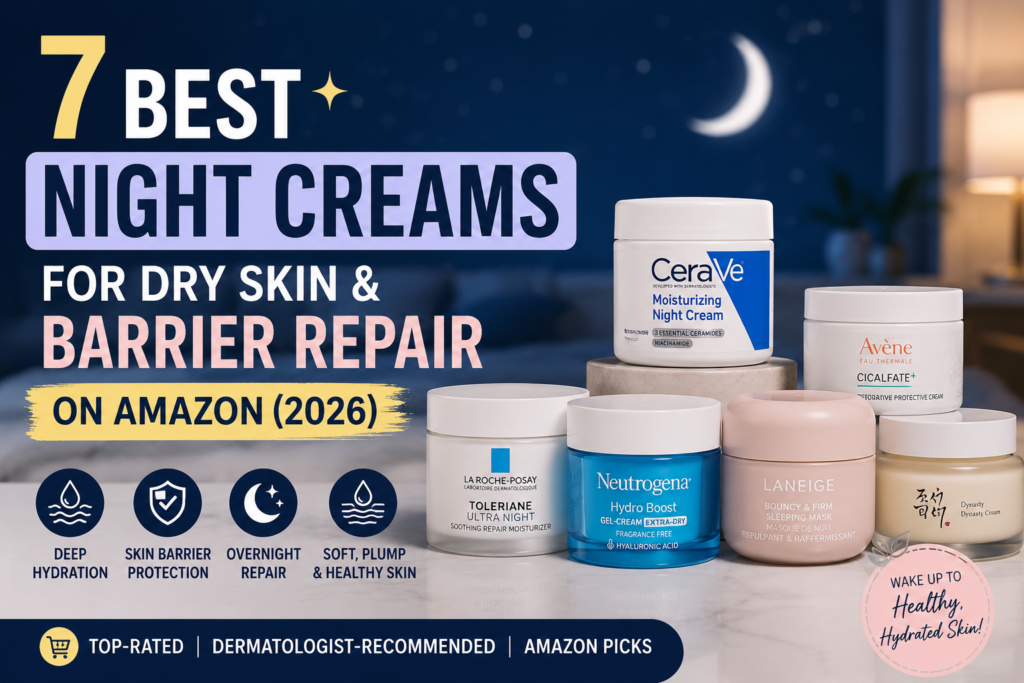
Below, we’re rounding up seven night creams available on Amazon that are genuinely built for dry, dehydrated, sensitive, or barrier-compromised skin — not just marketed that way. For each one, we’ll walk through who it’s best for, what’s actually in it, and where it might fall short, so you can pick the right one instead of guessing.
Quick Comparison: Best Night Creams for Dry Skin at a Glance
| Night Cream | Best For | Key Ingredients | Texture |
|---|---|---|---|
| CeraVe Skin Renewing Night Cream | Barrier repair, all-around dry skin | 3 ceramides, niacinamide, hyaluronic acid, peptides | Rich, non-greasy cream |
| Cetaphil Rich Hydrating Night Cream | Very dry, sensitive skin | Hyaluronic acid, olive extract, vitamin E | Fast-absorbing, fragrance-free cream |
| Naturium Intense Overnight Sleeping Cream | Dehydrated skin that wants a treatment cream | Squalane, glycerin, plant triglycerides, hyaluronic acid | Thick, balm-like sleeping mask |
| EltaMD PM Restore Moisturizer | Sensitive or reactive dry skin | Ceramide, niacinamide, hyaluronic acid, antioxidants | Lightweight, oil-free cream |
| COSRX Balancium Comfort Ceramide Cream | Sensitive, easily irritated barriers | Centella asiatica, ceramide NP, niacinamide, panthenol | Cushiony, soothing cream |
| No7 Future Renew Damage Reversal Night Cream | Dry skin with visible aging concerns | Peptides, niacinamide, hyaluronic acid, antioxidant blend | Silky, indulgent cream |
| Aveeno Positively Radiant Night Cream | Dry skin with dullness or uneven tone | Niacinamide, soy complex | Lightweight cream |
Prices and formulas can change on Amazon, so it’s worth double-checking the current listing before you buy.
How We Picked These Night Creams
We looked at ingredient lists rather than marketing claims, prioritizing formulas built around ceramides, hyaluronic acid, glycerin, squalane, niacinamide, or Centella asiatica — ingredients with a real track record for supporting the skin barrier and improving hydration. We also stuck to products actually sold on Amazon, from brands with a track record of formulating for sensitive or compromised skin. None of these picks are sponsored, and we haven’t included star ratings or clinical claims we can’t verify — read the current reviews on Amazon for real-time feedback from other buyers.
1. CeraVe Skin Renewing Night Cream
Best for: Anyone with dry to normal skin who wants a well-rounded, barrier-focused night cream without overthinking it.
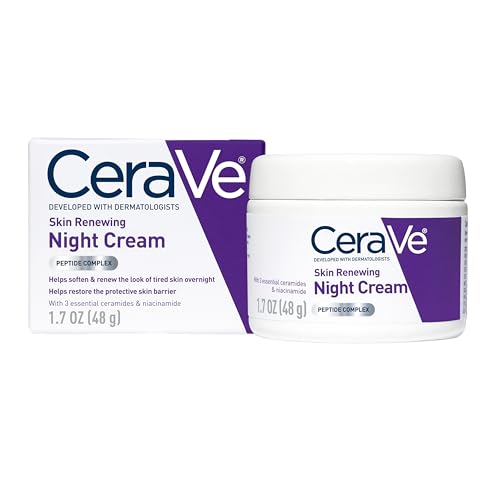
- [ PEPTIDE COMPLEX ] Help reduced the look of fine lines and wrinkles while supporting skin elasticity
- [ OVERNIGHT MOISTURIZER ] Helps soften, hydrate and retain skin’s moisture with hyaluronic acid. Renew the look of tired…
- [ GENTLE ON SKIN ] Fragrance free, non-comedogenic, and non-irritating formula
CeraVe built its whole reputation on ceramides, and this night cream is arguably the clearest expression of that. It’s formulated with three essential ceramides (ceramides NP, AP, and EOP), which are lipids your skin already makes naturally to hold its outer layer together. When that barrier is compromised — from harsh weather, over-exfoliation, or just aging skin — ceramide levels tend to drop, and moisture escapes more easily.
Key ingredients: Three ceramides, niacinamide, hyaluronic acid, and a biomimetic peptide complex.
Hydration and barrier benefits: The ceramides work alongside hyaluronic acid (which pulls water into the skin) and niacinamide (which helps calm redness and supports the barrier from a different angle). It’s a fairly textbook barrier-repair combination.
Texture and feel: Rich but not greasy — it sinks in within a few minutes and doesn’t leave a heavy film, which makes it easy to layer under a heavier occlusive if your skin needs extra help in winter.
Pros:
- Fragrance-free and developed with dermatologists
- Ceramide-forward formula backed by a large body of research on ceramides and barrier function
- Affordable relative to similar barrier creams
- Works well for combination skin that’s dry in some areas, not others
Cons:
- The jar packaging means you’re dipping fingers in, which isn’t ideal from a hygiene standpoint
- Not as rich as a true “slugging” cream for extremely dry or eczema-prone skin
Why someone might choose it over other options: If you want one well-studied barrier ingredient (ceramides) doing the heavy lifting, backed by a formula that’s been reformulated and refined for years, this is the safest starting point. It’s also a helpful comparison point if you’re deciding between a straightforward ceramide cream and a similarly positioned drugstore option — see our full breakdown in CeraVe vs. Vanicream for eczema and barrier repair if you’re torn between the two.
2. Cetaphil Rich Hydrating Night Cream
Best for: Very dry, sensitive, or reactive skin that needs hydration without any risk of irritation.

- CETAPHIL RICH HYDRATING CREAM FOR DRY TO NORMAL SKIN: Re-hydrates skin and boosts moisture for lasting 24 hour hydration…
- IMMEDIATE AND INTENSE HYDRATION: With hyaluronic acid to retain water and boost hydration all day long
- NOURISHING, FAST ABSORBING, NON-GREASY FORMULA: Lightweight cream absorbs quickly and won’t clog pores
Cetaphil has built decades of trust with dermatologists for a reason: the formulas are simple, fragrance-free, and rarely cause problems even for people with eczema-prone or post-procedure skin. This night cream leans on hyaluronic acid rather than a long ingredient list, which makes it a low-risk option if your skin reacts to almost everything.
Key ingredients: Hyaluronic acid, olive fruit extract, vitamin E, and vitamin C (ascorbyl palmitate).
Hydration and barrier benefits: Hyaluronic acid is a humectant, meaning it draws moisture from the air and deeper skin layers into the surface. Paired with emollients that soften the skin’s texture, it helps rehydrate overnight without adding actives that could irritate compromised skin.
Texture and feel: Nourishing but fast-absorbing — it doesn’t sit on top of skin the way some richer creams do, which some people prefer for a cleaner feel by morning.
Pros:
- Fragrance-free and hypoallergenic, dermatologist recommended
- Gentle enough for sensitive skin types, including rosacea-prone skin
- Non-comedogenic
Cons:
- Lighter than some of the other options here, so it may not be rich enough for extremely dry or windburned skin on its own
- No ceramides, so it’s more about surface hydration than deep barrier repair
Why someone might choose it over other options: If your priority is simplicity and low irritation risk over a longer ingredient list, Cetaphil is the safer bet — especially if you’ve had bad reactions to actives like retinol or exfoliating acids recently and just need your skin to calm down.
3. Naturium Intense Overnight Sleeping Cream
Best for: Dehydrated, dull skin that wants an indulgent “treatment” cream rather than a daily basic.

- INTENSE HYDRATION: Our Intense Sleeping Cream is a cushiony facial balm that leaves a lightweight, hydrating veil on the…
- ANTI-AGING, SKIN-PLUMPING MOISTURE: This rich cream delivers potent actives for visibly hydrated, radiant and plumper sk…
- HYDRATING FORMULA: Our overnight sleeping cream is formulated with plant squalane, kakadu plum and a specialized blend o…
This one is positioned as a sleeping mask more than a standard night cream, and the ingredient list backs that up. It’s built around plant-derived squalane and a blend of triglycerides, which mimic your skin’s natural oils, plus hyaluronic acid and Kakadu plum extract for a brightness boost.
Key ingredients: Squalane, glycerin, plant-based triglycerides, hyaluronic acid, and Kakadu plum extract.
Hydration and barrier benefits: Squalane is one of the most well-tolerated emollients in skincare — it helps prevent water loss without clogging pores, and it plays nicely with nearly every skin type, including oily-dry combination skin. Glycerin and hyaluronic acid handle the humectant side, pulling water in.
Texture and feel: Thick and cushiony, closer to a balm than a lotion. The brand recommends using it two to three times a week rather than nightly, which is worth knowing before you commit to a routine around it.
Pros:
- Fragrance-free and vegan
- Squalane is gentle and rarely causes breakouts, even for combination or acne-prone skin
- Feels genuinely luxurious for the price point
Cons:
- Meant for a few nights a week rather than nightly use, so it’s more of a supplement than your everyday moisturizer
- Rich texture may feel like too much for oilier skin types, even at night
Why someone might choose it over other options: If you already have a solid daily moisturizer but want something extra a couple of nights a week — especially after sun exposure, travel, or a long flight — this fits that role well. It’s also a reasonable middle ground if you like the idea of a splurgy, prestige-feeling cream but want to shop it on Amazon; we cover more of that territory in our guide to Drunk Elephant alternatives on Amazon.
4. EltaMD PM Restore Moisturizer
Best for: Sensitive, reactive, or post-procedure skin that still needs real barrier support.

- RESTORES MOISTURE OVERNIGHT: EltaMD PM Restore Night Face Moisturizer works overnight to replenish skin’s moisture level…
- ENHANCE SKIN ELASTICITY: The vitamins and minerals in this face moisturizers formula stimulate the skin’s natural moistu…
- SOOTHE DRY, DAMAGED SKIN: The overnight facial moisturizer uses ingredients like Hyaluronic Acid and Niacinamide to help…
EltaMD is best known for sunscreen, but its skincare line is formulated with the same dermatologist-forward approach. PM Restore was built specifically as a nighttime barrier moisturizer, and it’s a common recommendation for people dealing with rosacea, post-laser redness, or general reactivity alongside dryness.
Key ingredients: A ceramide, niacinamide, hyaluronic acid (as sodium hyaluronate), and antioxidants including vitamin E and thioctic acid.
Hydration and barrier benefits: Niacinamide is doing a lot of work in this formula — beyond calming redness, it’s been studied for its role in supporting the skin’s natural lipid production, which ties directly into barrier strength. Combined with a ceramide and hyaluronic acid, it’s built to hydrate and calm at the same time.
Texture and feel: Lightweight and oil-free, which is a little unusual for a barrier-focused night cream — it absorbs quickly and doesn’t feel heavy, making it a good option if you find richer creams uncomfortable on already-inflamed skin.
Pros:
- Oil-free, so it works for dry skin that’s also acne-prone or easily congested
- Fragrance-free and non-comedogenic
- Popular with people managing rosacea or post-treatment sensitivity
Cons:
- Pricier than the drugstore options on this list
- The lighter texture may not feel rich enough for very dry or flaky skin in the middle of winter
Why someone might choose it over other options: If your dryness comes with visible redness, sensitivity, or a history of reacting to heavier creams, this is one of the more clinically minded picks here — closer to what you’d get recommended in a dermatologist’s office.
5. COSRX Balancium Comfort Ceramide Cream
Best for: Sensitive skin with a compromised or irritated barrier that needs soothing as much as hydrating.

- Long-Lasting Hydration: Locks in moisture and protects from external environmental irritants to maintain healthy and plu…
- Strengthen and Repair Skin’s Natural Skin Barrier: Ceramides are naturally occurring lipids essential to keeping the ski…
- Key Ingredient: Skin friendly and effective Ceramide 3 to lock in moisture with 50% Centella Asiatica Leaf Water to Soot…
This one leans into Centella asiatica (also called Centella or Cica), a plant extract long used in Korean skincare for calming irritated, reactive skin. It’s paired with a ceramide and niacinamide, making it a solid pick for anyone whose dryness comes with redness, stinging, or general discomfort rather than just flakiness.
Key ingredients: Centella asiatica leaf water and extract, ceramide NP, niacinamide, panthenol, and sodium hyaluronate.
Hydration and barrier benefits: Centella’s active compounds, including asiaticoside and madecassic acid, are associated with soothing and supporting skin’s natural repair process, while the ceramide and panthenol work on moisture retention and comfort. It’s a formula built for skin that’s dry and upset, not just dry.
Texture and feel: A cushiony, soft cream that some reviewers describe as rich — it’s on the heavier side, so it may feel like too much for combination skin, especially in warmer climates.
Pros:
- Centella-forward formula that’s genuinely calming for reactive or barrier-stressed skin
- Fragrance is minimal and it’s widely tolerated by sensitive skin types
- Works well layered over a hydrating essence or serum
Cons:
- The rich texture can feel heavy for oily-dry combination skin
- If you’re specifically shopping for Centella, it’s worth understanding how it compares to another popular soothing ingredient — we break that down in Centella asiatica vs. aloe vera
Why someone might choose it over other options: If your dry skin is also irritated, flushed, or reactive — not just tight and flaky — the Centella base here addresses both problems at once in a way most Western drugstore night creams don’t.
6. No7 Future Renew Damage Reversal Night Cream
Best for: Dry, mature skin that wants hydration alongside some anti-aging support.

- Reverses visible signs of skin damage
- A world-first peptide technology, Pepticology. Supports skin’s natural self-repair.
- Formulated with SPF40 to shield skin from future sun damage
No7’s Future Renew line is built around a peptide complex the brand calls Pepticology, alongside niacinamide, hyaluronic acid, and an antioxidant blend of vitamin C, vitamin E, and mulberry extract. It’s a heavier-hitting formula than most of the others on this list, aimed at people who want their night cream to multitask.
Key ingredients: Peptides (including palmitoyl tetrapeptides), niacinamide, hyaluronic acid, panthenol, and an antioxidant blend.
Hydration and barrier benefits: Peptides are short chains of amino acids that can support the skin’s collagen-related processes, while niacinamide and hyaluronic acid handle barrier support and hydration. It’s a broader formula than a straightforward ceramide cream, so it’s doing more jobs at once rather than focusing narrowly on barrier repair.
Texture and feel: Silky and indulgent, with a texture that feels closer to a prestige cream — it absorbs without leaving residue, though it does contain fragrance, which is worth knowing if your skin is fragrance-sensitive.
Pros:
- Dermatologist-approved and marketed as suitable for sensitive skin
- Combines hydration with visible-aging support rather than one or the other
- Comes in a full system (serum, day cream with SPF, night cream) if you want to build a routine around it
Cons:
- Contains fragrance, which can be a dealbreaker for very reactive or fragrance-intolerant skin
- Some ingredient reviewers note the peptides sit lower on the ingredient list, so it’s worth not expecting dramatic transformation
Why someone might choose it over other options: If dryness has crept in alongside other aging concerns — fine lines, uneven texture, a general “tired” look — this is built to address more than hydration alone, which makes it a reasonable trade-off if that’s genuinely what you’re after.
7. Aveeno Positively Radiant Night Cream
Best for: Dry skin that also deals with dullness or uneven tone and wants an affordable, easy option.
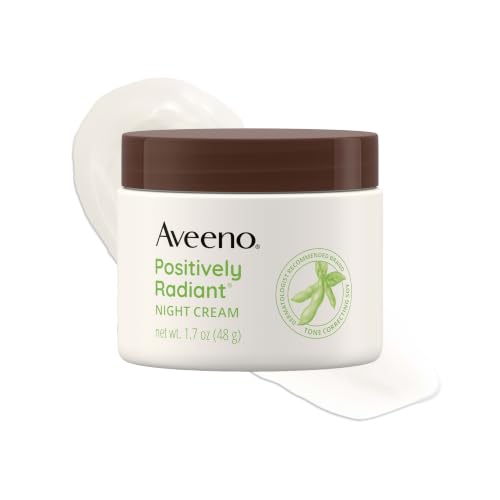
- Night cream: 1.7 fl oz of Aveeno Positively Radiant Intensive Moisturizing Night Cream, an overnight face mask that help…
- Tone-correcting formula: A face moisturizer made with clinically proven soy & dark spot correcting glow serum to help vi…
- Gentle on skin: Approved for nightly use and designed for people with sensitive skin, this dark spot cream works to prot…
Aveeno’s Positively Radiant line is built around a soy complex and niacinamide, aimed at improving the look of tone and texture over time. It’s not the richest or most barrier-focused cream on this list, but it’s a solid, budget-friendly pick if brightening is as much of a priority as hydration.
Key ingredients: Niacinamide and a soy extract complex (Glycine Soja).
Hydration and barrier benefits: The formula hydrates primarily through glycerin and emollients rather than a dedicated ceramide or heavy occlusive, while niacinamide contributes to both barrier support and the tone-evening effect the line is known for. It’s a lighter-touch approach to barrier repair, better suited to mild dryness than a compromised or damaged barrier.
Texture and feel: Lightweight, with a subtle scent — some people appreciate the light finish, while others with very dry skin may find it needs to be layered under something richer.
Pros:
- Budget-friendly and widely available
- Niacinamide is well-studied for tone-evening and mild barrier support — see our comparison of niacinamide vs. vitamin C for acne marks if brightening dark spots is part of your goal
- Non-greasy finish that’s easy to wear under other products
Cons:
- Not as rich or barrier-focused as the ceramide- or squalane-based creams on this list
- Contains fragrance, so it’s not the first choice for very sensitive or reactive skin
- Better suited to mild dryness than a genuinely damaged barrier
Why someone might choose it over other options: If your main frustrations are dullness and uneven tone as much as dryness itself, and you want something affordable and easy to find, this is a reasonable everyday pick — just plan to pair it with a richer moisturizer during particularly dry stretches.
How to Choose the Best Night Cream for Your Skin
Not every “hydrating” night cream is solving the same problem. Before you buy, it helps to get specific about what your skin actually needs.
For Dry Skin
Look for a mix of humectants (hyaluronic acid, glycerin) and occlusives or emollients (ceramides, squalane, shea butter). Dry skin generally lacks both water and oil, so a cream that only hydrates without sealing that moisture in won’t get you very far. CeraVe, Naturium, and Cetaphil all lean into this combination.
For Sensitive Skin
Fragrance-free formulas with a shorter ingredient list tend to be the safer bet. Ingredients like Centella asiatica, panthenol, and niacinamide can help calm reactivity while still hydrating. COSRX and EltaMD are both built with this in mind. If you’re not sure whether a product will react well with your skin, patch-test on your inner arm for a few days before applying it to your face.
For Combination Skin
You don’t need to skip night cream just because you’re oily in the T-zone. Look for lighter, non-comedogenic formulas — squalane and hyaluronic acid-based creams tend to feel less heavy than ceramide-rich balms. You can also apply a richer cream only to the drier areas of your face rather than all over.
For a Damaged Skin Barrier
If your skin stings when you apply products, looks red or inflamed, or has been over-exfoliated or over-treated with actives, prioritize simplicity. Ceramide and Centella-based creams without fragrance, exfoliating acids, or retinol are the safest starting point. Give your skin a break from actives for a week or two while you rebuild — CeraVe and COSRX are both reasonable picks here. For a deeper look at barrier-specific formulas, our comparison of CeraVe vs. Vanicream for eczema and barrier repair covers two of the most dermatologist-recommended options side by side.
According to the American Academy of Dermatology, choosing the right moisturizer really does depend on your specific skin type and concerns rather than one universal “best” formula — AAD’s guide to picking a moisturizer is a good general reference if you want more background before you shop.
How to Use a Night Cream in Your Nighttime Routine
A night cream works best as the last step in your evening routine, applied to slightly damp skin. Here’s a simple order to follow:
- Cleanse. Remove makeup, sunscreen, and the day’s buildup with a gentle cleanser. Avoid hot water, which can strip natural oils and make dryness worse.
- Tone or apply essence (optional). If you use a hydrating toner or essence, apply it while your skin is still damp.
- Treat, if needed. This is where a serum, retinoid, or other targeted treatment goes — but if your barrier feels compromised, consider skipping actives for a few nights and just focusing on hydration.
- Apply night cream. Warm a small amount between your fingers and press it into your skin rather than rubbing it in aggressively. A pea-to-almond-sized amount is usually enough for the full face.
- Don’t forget your neck. Skin here is thinner and shows dehydration quickly, so it’s worth extending your night cream downward.
The American Academy of Dermatology recommends applying moisturizer while skin is still slightly damp, since damp skin holds onto moisturizer more effectively than fully dry skin. In the morning, follow up with a lightweight moisturizer and sunscreen — sun protection matters even more once you’ve been actively repairing your barrier overnight, since compromised skin can be more reactive to UV exposure. If you’re deciding between two popular Amazon-available sunscreens for your morning routine, our comparison of Beauty of Joseon vs. Round Lab sunscreen might help narrow it down.
Frequently Asked Questions
Do I really need a separate night cream, or can I just use my day moisturizer at night? You don’t strictly need one — a good day moisturizer without SPF can work fine at night for some people. But night creams are typically formulated to be richer, since they don’t need to sit comfortably under makeup or sunscreen, and skin tends to lose more water overnight. If your skin is very dry, a dedicated night cream is usually a noticeable upgrade.
What ingredients should I actually look for in a night cream for barrier repair? Ceramides, cholesterol, and fatty acids are the closest match to what your skin barrier is naturally made of. Hyaluronic acid and glycerin pull moisture in, while niacinamide and Centella asiatica support barrier function and calm irritation. A formula with a few of these working together tends to outperform a single flashy ingredient.
Can a night cream actually repair a damaged skin barrier, or does it just mask the problem? A good barrier-repair moisturizer can meaningfully support your skin’s ability to recover by replenishing lipids and reducing water loss, which gives your skin’s natural repair process room to work. That said, it’s not a substitute for addressing the root cause — over-exfoliation, harsh weather, or an aggressive actives routine — so pairing the right cream with a gentler overall routine matters just as much.
Is it bad to use a rich night cream if I have oily or combination skin? Not necessarily, but it’s worth choosing a lighter, non-comedogenic formula and applying it only where you need it. Squalane and hyaluronic acid-based creams tend to feel less heavy than ceramide balms and are less likely to feel greasy by morning.
How long does it take to see results from a barrier-repair night cream? Most people notice softer, more comfortable skin within a few days to a week of consistent use. Full barrier repair, especially after significant damage, can take several weeks, since skin cell turnover and lipid production happen gradually. Consistency matters more than any single product here.
Should I use a night cream every single night? For most dry or barrier-compromised skin, yes — nightly use tends to give the most consistent results. Richer “sleeping mask” style creams, like the Naturium pick above, are sometimes designed for a few nights a week instead, so it’s worth checking the product’s specific directions.
Final Thoughts
There isn’t one universally “best” night cream — the right pick really does depend on what your skin needs most right now. If you want a dependable, ceramide-forward option that works for most dry skin, CeraVe Skin Renewing Night Cream is a solid default. If your skin is reactive or easily irritated, EltaMD PM Restore or COSRX Balancium Comfort Ceramide Cream are gentler, more soothing choices. And if you’re dealing with dryness alongside dullness or early signs of aging, Aveeno Positively Radiant or No7 Future Renew are worth a closer look.
Whichever you choose, give it a few weeks of consistent use before judging results, and don’t be afraid to simplify your routine if your barrier feels compromised — sometimes the most effective thing you can do for dry, damaged skin is also the simplest.