If your skin flares up at the slightest trigger — a new product, a change in weather, or a rough night’s sleep — you already know how frustrating redness can be. You’ve probably scrolled through ingredient lists searching for something, anything, that actually works. Two names keep coming up: Centella Asiatica and Aloe Vera.
At Petal Beauty Skincare, our content is reader-supported. This means that when you click on certain links on our website and make a purchase, we may earn a small commission—at no extra cost to you.As an Amazon Associate, we earn from qualifying purchases. We only recommend products that we genuinely believe can provide value to our readers. Our reviews and recommendations are based on research, expert opinions, and user feedback, not influenced by affiliate partnerships.Your support helps us continue to create helpful, honest, and high-quality skincare content.
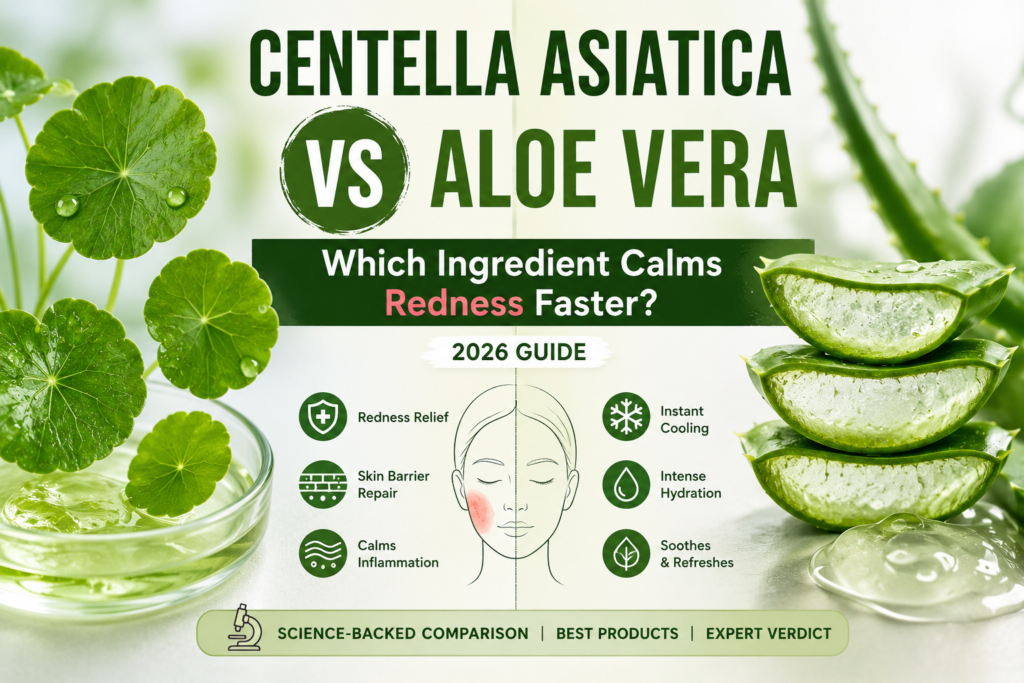
Both are celebrated for their calming, soothing properties. Both show up in toners, serums, moisturizers, and sheet masks. But in the Centella Asiatica vs Aloe Vera debate, which one actually calms redness faster — and which one is better for your skin?
In this guide, we break down the science, compare the two ingredients head-to-head, and give you a clear answer backed by dermatology research. Spoiler: one works faster in the moment, but the other wins for long-term redness reduction.
Also read our complete guide on Best Non-Greasy Sunscreens for Women Over 40 on Amazon (2026)
Quick Comparison: Centella Asiatica vs Aloe Vera at a Glance
| Feature | Centella Asiatica | Aloe Vera |
|---|---|---|
| Origin | Asian wetlands (India, Sri Lanka, China) | Tropical and subtropical regions worldwide |
| Key Active Compounds | Asiaticoside, madecassoside, asiatic acid | Acemannan, aloin, vitamins C & E, enzymes |
| Best For | Redness, barrier repair, rosacea, scarring | Immediate cooling, sunburn, dry/dehydrated skin |
| Hydration Level | Moderate | High |
| Anti-Inflammatory Strength | ★★★★★ (strong, sustained) | ★★★☆☆ (fast but surface-level) |
| Skin Barrier Support | ★★★★★ | ★★★☆☆ |
| Healing Properties | ★★★★★ | ★★★★☆ |
| Sensitive Skin Suitability | Excellent | Excellent |
| Acne-Friendly | Yes | Yes |
| Redness Reduction Speed | Slower onset, longer-lasting | Immediate relief, shorter duration |
| Overall Winner | Long-term redness reduction | Instant soothing and cooling |
What Is Centella Asiatica?
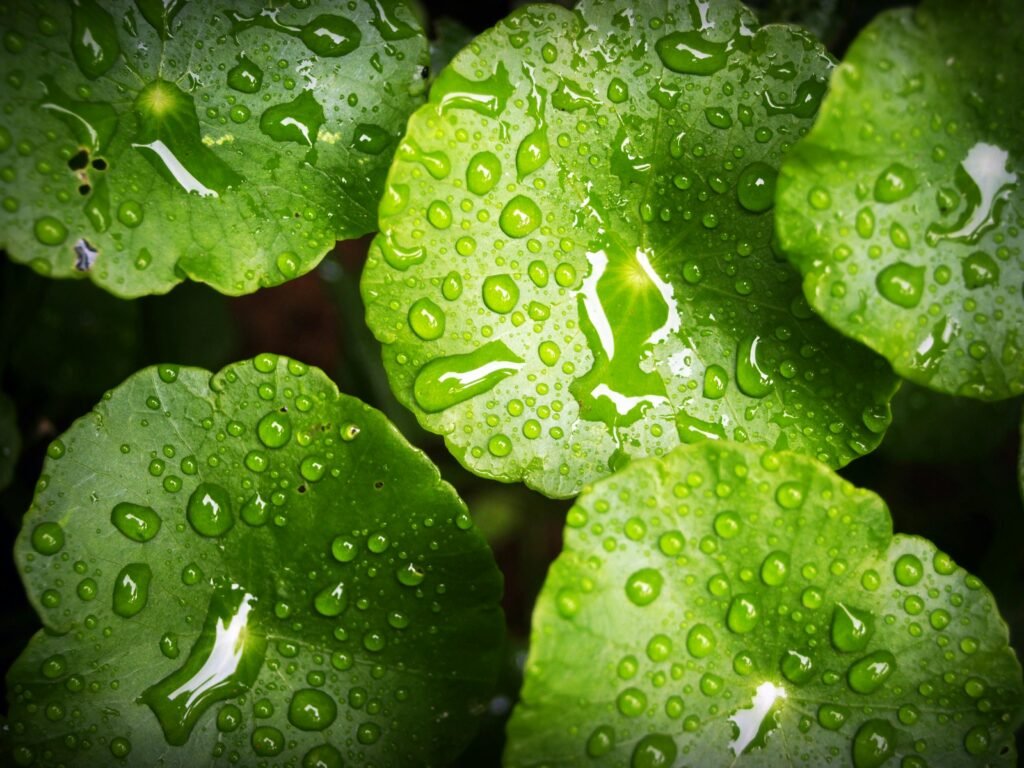
Centella Asiatica — also known as cica, gotu kola, or tiger grass — is a small flowering herb native to the wetlands of Asia. It has been used in traditional Ayurvedic and Chinese medicine for centuries to heal wounds, treat skin conditions, and improve circulation.
Key Active Compounds
Centella’s power comes from a group of triterpenoids:
- Asiaticoside – stimulates collagen synthesis and accelerates wound healing
- Madecassoside – one of the most potent anti-inflammatory compounds in skincare
- Asiatic acid – strengthens the skin barrier and reduces transepidermal water loss (TEWL)
- Centelloside – supports skin regeneration
How It Works
Centella works primarily by inhibiting inflammatory cytokines — the chemical messengers that tell your skin to stay red and irritated. Unlike surface-level cooling agents, Centella targets the inflammatory cascade at a deeper cellular level. It signals fibroblasts to produce more collagen and ceramides, which physically rebuilds a compromised skin barrier.
Benefits for Redness and Sensitive Skin
Centella Asiatica for sensitive skin is particularly well-studied. Its madecassoside content suppresses the NF-κB pathway, a key driver of chronic skin inflammation. This is why it’s so frequently recommended for rosacea, post-procedure recovery, and skin sensitized by overactive exfoliation or retinoid use.
The healing doesn’t happen overnight — but the results are more structural and lasting.
Jump to Skin1004 Hyalu-Cica vs Beauty of Joseon Relief Sun: Best Korean Sunscreen for Oily Skin?
What Is Aloe Vera?
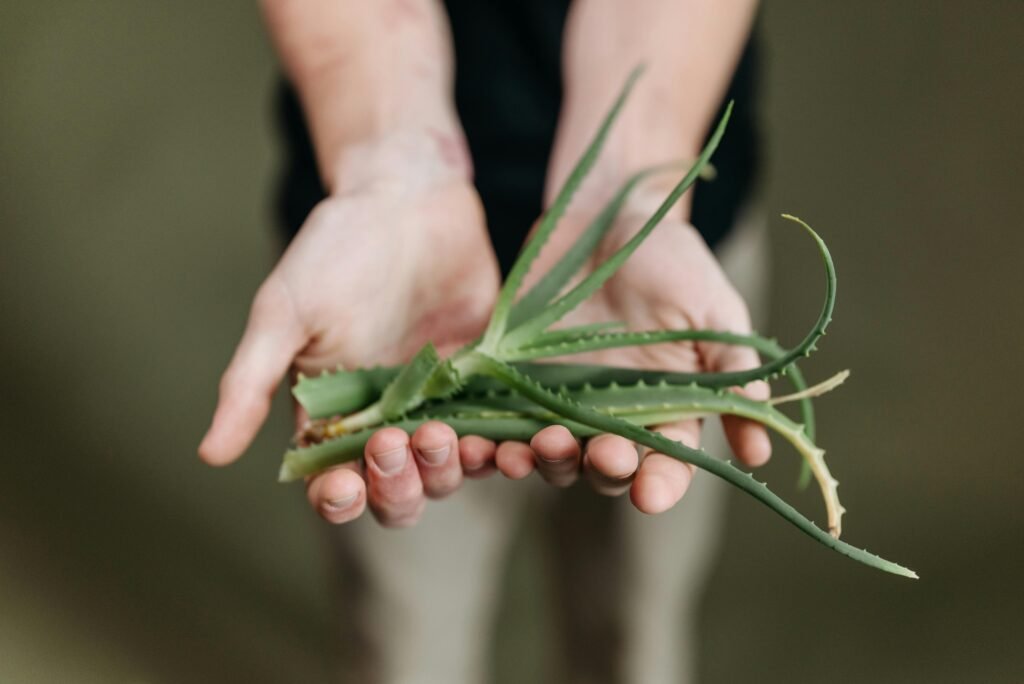
Aloe Vera (Aloe barbadensis miller) is one of the oldest skincare ingredients on record. Ancient Egyptians called it the “plant of immortality.” The clear gel inside its thick succulent leaves is packed with water — over 99% — along with a remarkable collection of bioactive compounds.
Key Compounds
- Acemannan – a polysaccharide that accelerates wound healing and modulates the immune response
- Aloin – has mild anti-inflammatory and antifungal properties
- Vitamins C and E – antioxidants that protect against UV-induced oxidative stress
- Enzymes (bradykinase) – help reduce skin inflammation when applied topically
- Minerals – zinc, magnesium, and calcium, which support skin healing
Hydration and Cooling Properties
Aloe Vera’s extremely high water content makes it a powerful humectant — it pulls moisture into the skin and creates an immediate cooling sensation on contact. This is why Aloe Vera for redness caused by sunburn or heat is so effective: the relief is nearly instantaneous.
Traditional Skincare Uses
Aloe has been used for millennia to treat burns, minor cuts, dry skin, and inflammatory skin conditions. In modern formulations, it appears in everything from after-sun gels to hydrating toners, thanks to its ability to soothe, moisturize, and temporarily calm irritation without clogging pores.
Why Does Skin Redness Happen?
Before comparing these two ingredients further, it helps to understand why skin turns red in the first place.
Redness is your skin’s inflammatory response — increased blood flow rushing to the area as the body tries to protect and heal itself. The triggers vary widely:
- Sensitive skin — a naturally thinner or more reactive skin barrier that over-responds to stimuli
- Over-exfoliation — acid or physical exfoliants that strip the skin barrier and cause micro-inflammation
- Sun exposure — UV radiation triggers reactive oxygen species that damage skin cells
- Allergic reactions — contact dermatitis from fragrances, preservatives, or active ingredients
- Rosacea — a chronic inflammatory condition that causes persistent facial flushing and visible vessels
- Acne treatments — ingredients like benzoyl peroxide and tretinoin are effective but notorious for causing dryness and irritation
- Damaged skin barrier — when the lipid and protein structure of the epidermis breaks down, skin becomes inflamed and vulnerable
Soothing ingredients matter because they interrupt this inflammatory cycle — either at the surface (temporarily) or at the cellular level (more permanently).
Continue reading Top 10 Face Serums on Amazon for Healthy and Glowing Skin
Centella Asiatica vs Aloe Vera for Redness Relief: A Detailed Comparison
| Factor | Centella Asiatica | Aloe Vera |
|---|---|---|
| Speed of Calming Redness | Slower onset (hours to days) | Immediate (minutes) |
| Anti-Inflammatory Action | Inhibits cytokines; deep cellular action | Surface-level enzyme activity |
| Barrier Repair Ability | ★★★★★ Excellent | ★★★☆☆ Moderate |
| Long-Term Skin Healing | ★★★★★ Rebuilds skin structure | ★★★☆☆ Supports but doesn’t rebuild |
| Immediate Soothing Effect | ★★★☆☆ Gradual | ★★★★★ Fast cooling relief |
| Scientific Support | Strong clinical evidence | Good anecdotal and moderate clinical data |
| Rosacea Management | ★★★★★ | ★★★☆☆ |
| Post-Procedure Calming | ★★★★★ | ★★★★☆ |
| Sunburn Relief | ★★★☆☆ | ★★★★★ |
Which Ingredient Works Faster for Redness?
Here’s the honest answer: it depends on what kind of “fast” you mean.
Aloe Vera wins for immediate relief. The moment you apply a product rich in aloe, the high water content evaporates slightly on the skin’s surface, creating a cooling effect that feels like relief almost instantly. The enzymes get to work within minutes, temporarily dialing down surface inflammation. If you’ve just had a sunburn or accidentally used too strong an acid exfoliant, aloe is your best friend right now.
Centella Asiatica wins for faster redness reduction over the following hours and days. Its triterpenoids penetrate more deeply and work at the source of inflammation — suppressing the signals that keep skin red and irritated. Studies on madecassoside have shown it can reduce inflammatory markers significantly within 24–72 hours of consistent application. The redness doesn’t just feel better; it actually is better.
By Skin Situation
- Sudden flare-up or sunburn → Aloe Vera first
- Chronic redness or rosacea → Centella Asiatica
- Post-retinoid or acid irritation → Centella Asiatica
- After a facial or peel → Both (layer aloe first, then a cica cream)
- Acne redness → Centella Asiatica (also helps heal without scarring)
Best Ingredient by Skin Type
| Skin Type | Best Choice | Why |
|---|---|---|
| Sensitive Skin | Centella Asiatica | Addresses root-cause inflammation and strengthens the barrier long-term |
| Rosacea-Prone Skin | Centella Asiatica | Clinical evidence supports madecassoside for reducing chronic flushing |
| Acne-Prone Skin | Centella Asiatica | Calms post-acne redness and promotes healing without blocking pores |
| Dry Skin | Aloe Vera (or both) | Higher humectant content replenishes moisture rapidly |
| Combination Skin | Either / Both | Both are lightweight and non-comedogenic |
| Compromised Skin Barrier | Centella Asiatica | Directly stimulates ceramide and collagen production to rebuild barrier |
Can You Use Centella Asiatica and Aloe Vera Together?
Absolutely — and many of the best calming skincare formulas already do.
These two ingredients work synergistically. Aloe Vera provides immediate hydration and surface soothing, creating a comfortable environment for Centella’s deeper anti-inflammatory compounds to do their work. Think of it as a two-phase approach: aloe handles the “right now” discomfort, while Centella addresses the “what’s actually wrong” inflammation.
How to layer them:
- Apply a lightweight aloe-based toner or essence first (immediate hydration + cooling)
- Follow with a Centella-rich serum or ampoule (deep anti-inflammatory action)
- Seal with a cica cream that contains both for barrier protection
There are no known adverse interactions between these two ingredients. Both are gentle, suitable for all skin types, and free from the kind of actives that cause conflict in formulations.
Also read: Anua Heartleaf 77% vs I’m From Rice Toner: Which Is Better for Sensitive Skin? (2026 Guide)
Best Skincare Products with Centella Asiatica
1. COSRX Centella Blemish Ampule
Key benefits: High-concentration madecassoside formula that targets active redness and post-acne marks simultaneously.
- Skin type: Oily, acne-prone, sensitive
- Pros: Fast-acting on blemish redness; lightweight texture; affordable
- Cons: Packaging could be more hygienic (dropper bottle dips into formula)
2. Dr. Jart+ Cicapair Tiger Grass Cream
Key benefits: Dual-action formula that soothes redness and gradually color-corrects for an even skin tone. Beloved for rosacea-prone skin.
- Skin type: Normal, dry, sensitive, redness-prone
- Pros: Visible redness correction; good for daily use; elegant formulation
- Cons: Premium price point; green tint takes getting used to
3. Beauty of Joseon Calming Serum: Green Tea + Panthenol
Key benefits: Blends Centella Asiatica with panthenol and green tea for a triple-action barrier repair serum with strong anti-inflammatory credentials.
- Skin type: All skin types, especially combination/sensitive
- Pros: Affordable; multi-functional; gentle enough for daily use
- Cons: Lightweight formula may not feel rich enough for very dry skin
4. Purito Centella Green Level Unscented Sun SPF 50+
Key benefits: A rare high-SPF sunscreen built on a Centella base — protects against UV-induced redness while soothing existing inflammation.
- Skin type: Sensitive, rosacea-prone
- Pros: SPF 50+; no fragrance; excellent for reactive skin; daily use viable
- Cons: Can leave a slight white cast on deeper skin tones
5. Krave Beauty Great Barrier Relief
Key benefits: Focused entirely on barrier restoration using Centella and sea buckthorn. Ideal for skin damaged by over-exfoliation.
- Skin type: Compromised, dry, sensitive
- Pros: Very clean formulation; effective for barrier repair; cruelty-free brand
- Cons: Heavier texture; better as an evening treatment
Best Skincare Products with Aloe Vera
1. Innisfree Aloe Revital Soothing Gel
Key benefits: Pure Jeju aloe-based gel that delivers immediate cooling and hydration. A staple for after-sun and redness flare-ups.
- Skin type: All skin types, especially oily and combination
- Pros: Multi-use (face, body, hair); refreshing texture; fast-absorbing
- Cons: Not as effective for chronic or structural redness
2. The Ordinary Multi-Peptide + HA Serum (with Aloe base)
Key benefits: Uses aloe as a hydrating base combined with peptides for a serum that soothes while delivering anti-ageing actives.
- Skin type: Normal, dry, mature
- Pros: Multi-functional; affordable The Ordinary quality; non-irritating
- Cons: Redness relief is secondary to the peptide focus
3. Nature Republic Soothing & Moisture Aloe Vera 92% Soothing Gel
Key benefits: 92% aloe vera content makes this one of the most concentrated aloe gels on the market. Classic, reliable, and inexpensive.
- Skin type: All skin types
- Pros: High aloe concentration; versatile; budget-friendly; widely available
- Cons: Contains some fragrance; packaging is not the most hygienic
4. Belif Aqua Bomb with Aloe
Key benefits: Combines aloe with Lady’s Mantle herb for a hydrating, calming gel-cream that blurs the line between moisturizer and soothing treatment.
- Skin type: Normal to oily, combination
- Pros: Excellent hydration; fresh texture; works well under makeup
- Cons: Not fragrance-free; pricier than pure aloe options
5. Aveeno Calm + Restore Nourishing Oat Cleanser (Aloe-enriched)
Key benefits: A gentle, aloe-enriched cleanser that removes impurities without stripping the barrier — ideal for reactive skin that needs redness care from step one.
- Skin type: Sensitive, reactive, dry
- Pros: Dermatologist-recommended; oat + aloe pairing is very gentle; affordable
- Cons: Minimal foam may not satisfy those who prefer a lather
Expert Verdict
After comparing both ingredients across every meaningful metric, here’s where each one wins:
| Category | Winner |
|---|---|
| Fastest immediate soothing | 🏆 Aloe Vera |
| Long-term redness reduction | 🏆 Centella Asiatica |
| Skin barrier repair | 🏆 Centella Asiatica |
| Sunburn and heat relief | 🏆 Aloe Vera |
| Rosacea and chronic inflammation | 🏆 Centella Asiatica |
| Overall effectiveness for redness | 🏆 Centella Asiatica |
If you’re choosing just one: Centella Asiatica is the more powerful long-term solution for redness, particularly for those dealing with sensitive skin, rosacea, acne-related inflammation, or a compromised skin barrier. It doesn’t just mask redness — it resolves the inflammation causing it.
But the real answer for most people? Use both. Aloe Vera handles the immediate discomfort. Centella Asiatica does the structural work. Together, in the Centella Asiatica vs Aloe Vera debate, they’re more powerful than either ingredient alone.
we have found Best Vitamin C Serum for Oily Skin Under $30 (2026 Budget Picks You’ll Actually Love)
Frequently Asked Questions
Is Centella Asiatica better than Aloe Vera?
For most people dealing with chronic redness, rosacea, or a compromised skin barrier, yes — Centella Asiatica is more effective. Its active compounds work at a cellular level to suppress inflammation and rebuild the skin barrier. Aloe Vera is better for immediate comfort and surface hydration. They work best when used together.
Which ingredient works faster for redness?
Aloe Vera provides faster immediate relief — within minutes. Centella Asiatica works more slowly but delivers more significant, lasting redness reduction over hours and days as it addresses the underlying inflammation.
Can Aloe Vera repair the skin barrier?
Aloe Vera has some barrier-supporting properties through its polysaccharides and humectant action, but it doesn’t actively rebuild the lipid and protein structure of the barrier the way Centella Asiatica does. For damaged barriers, Centella is the superior choice.
Is Centella good for rosacea?
Yes. Centella Asiatica is one of the most evidence-backed ingredients for rosacea management. Madecassoside specifically has been shown to reduce chronic inflammation and vascular reactivity that contributes to flushing. Many dermatologists recommend cica-based formulas as a cornerstone of rosacea skincare routines.
Can I use Centella Asiatica and Aloe Vera together?
Yes — and it’s highly recommended. They are complementary ingredients with no known interactions. Aloe Vera provides immediate hydration and surface comfort while Centella works deeper. Many effective calming formulas already combine both.
Which is better for acne redness?
Centella Asiatica is better for acne-related redness. It reduces post-inflammatory erythema (the red marks left after breakouts), calms active blemishes, and supports healing without scarring. Aloe helps with surface inflammation but doesn’t address the deeper inflammatory response tied to acne as effectively.
Which is better after sun exposure?
Aloe Vera is better immediately after sun exposure — its cooling, high-water-content gel relieves the burning sensation and surface inflammation rapidly. For ongoing UV-related redness or long-term skin damage from sun exposure, adding a Centella product to your evening routine will help with deeper repair.
Which ingredient is best for sensitive skin?
Both are excellent for sensitive skin, but Centella Asiatica edges ahead for those with chronically sensitive skin. Its barrier-strengthening properties reduce the skin’s reactivity over time, meaning your skin becomes less sensitive with consistent use. Aloe Vera is better for reactive skin that needs immediate calming.
This article was written for informational purposes only and does not constitute medical or dermatological advice. Consult a dermatologist for personalized skincare guidance.