
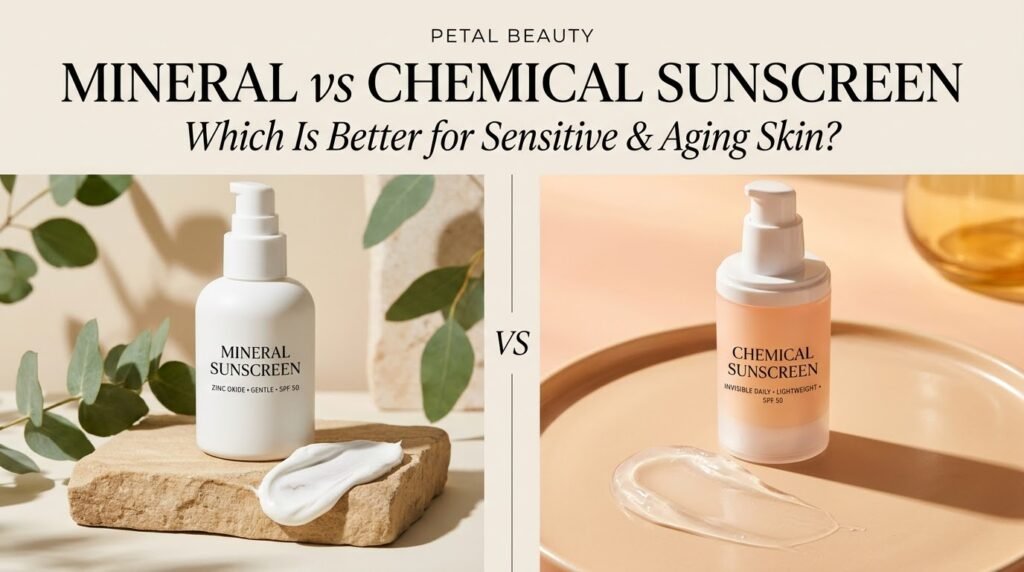
You’ve stood in the sunscreen aisle, or scrolled through endless Amazon listings, wondering what the difference really is. Mineral vs chemical sunscreen is one of the most common questions in skincare, and the answer matters more once your skin becomes sensitive, reactive or mature. A formula that stings your eyes, clogs your routine or leaves a gray cast can quickly become a sunscreen you stop wearing.
This guide breaks down both types in plain language, so you can choose a formula you’ll actually use every day.
Affiliate Disclosure: Petal Beauty Skincare participates in the Amazon Associates program. As an Amazon Associate, we earn from qualifying purchases. This means we may earn a commission if you purchase through links on our website, at no additional cost to you.
Quick Verdict: Mineral vs Chemical Sunscreen
| Feature | Mineral Sunscreen | Chemical Sunscreen |
|---|---|---|
| Active ingredients | Zinc oxide, titanium dioxide | Avobenzone, octisalate, octocrylene, homosalate, octinoxate and others |
| How they work | Sit on the skin and block or scatter UV rays (and absorb some) | Absorb into the upper skin layers and convert UV rays to heat |
| Sensitive skin | Often a good starting point | Works for many people, but some react to certain filters |
| Mature skin | Good, especially in hydrating formulas | Good, especially in lightweight, comfortable textures |
| White cast | Possible, especially in untinted formulas | Rarely |
| Texture | Can feel thicker | Usually thin and fluid |
| Makeup compatibility | Varies; tinted versions can double as a base | Generally layers easily |
| Daily wear | Excellent if you like the finish | Excellent if you prefer an invisible feel |
| Water resistance | Varies by product; check the label | Varies by product; check the label |
The short version: Choose mineral if your skin is easily irritated, reactive or rosacea-prone. Choose chemical if you want a sheer, lightweight finish that disappears under makeup. Hybrid formulas sit in the middle. Either type can protect aging skin as long as it is broad-spectrum, SPF 30 or higher, and used consistently.
What Is Mineral Sunscreen?
Mineral sunscreen, sometimes called physical sunscreen, uses zinc oxide, titanium dioxide, or both. The FDA notes that these are the two sunscreen ingredients it currently recognizes as generally safe and effective, which is one reason mineral formulas have such a strong reputation.
Zinc oxide is especially useful because it covers a wide range of UVA and UVB rays. Titanium dioxide is strong against UVB and shorter UVA rays. Together they offer dependable broad-spectrum protection, and the protection starts working as soon as the product is on your skin.
Common benefits:
- Generally gentle on sensitive skin
- Less likely to sting the eyes
- Often free of fragrance and common irritants
- Zinc oxide has a calming reputation for reactive skin
Potential drawbacks:
- A white or gray cast, particularly on medium to deep skin tones
- Thicker texture that can feel dry or heavy
- Can be harder to blend evenly
Tinted mineral sunscreens help with the cast. Iron oxides add a skin-toned shade that blends more naturally and can double as light coverage.
What Is Chemical Sunscreen?
Chemical sunscreen uses organic (carbon-based) UV filters that absorb ultraviolet radiation and convert it into small amounts of heat. DermNet explains the different types of topical sunscreen agents and how they work.
Common filters include:
- Avobenzone: a widely used UVA filter
- Octisalate and homosalate: mainly UVB filters
- Octocrylene: UVB protection that also helps stabilize other filters
- Octinoxate: a UVB filter found in some formulas
Why people love them: They tend to feel light, spread easily, leave a transparent finish and sit comfortably under makeup. That makes them easy to wear daily, which matters because the best sunscreen is the one you’ll actually apply.
What to watch for: Some people find certain filters irritating, especially around the eyes, and fragrance or other additives can add to the problem. That doesn’t mean chemical sunscreens are unsafe. Many people use them without trouble. It simply means that sensitivity is individual.
Mineral vs Chemical Sunscreen for Sensitive Skin
This is where mineral sunscreen often shines. When comparing mineral vs chemical sunscreen for sensitive skin, dermatology resources commonly point people with reactive skin toward zinc oxide and titanium dioxide, because mineral filters are less likely to trigger stinging or burning.
Why mineral is often the first choice:
- Less irritation: Mineral filters sit on the surface rather than being absorbed into the skin.
- Less stinging around the eyes: Sweat can carry sunscreen into your eyes, and mineral formulas tend to be gentler when it does.
- Rosacea-prone skin: Heat and irritation can trigger flushing, so gentle formulas are usually preferable.
- Eczema-prone skin: Fragrance-free, simple formulas are generally the safest bet.
An important caveat: Mineral sunscreen is not guaranteed to suit everyone. The inactive ingredients, such as fragrance, essential oils, preservatives and certain plant extracts, cause plenty of reactions on their own. A mineral formula packed with additives can irritate more than a simple chemical one.
Patch test first. Apply a small amount to your inner forearm or behind the ear for a few days before using it on your face. If you have a skin condition, ask your dermatologist about a product before relying on it.
For more ideas, see our guide to the best sunscreens on Amazon for sensitive skin.
Which Sunscreen Is Better for Aging Skin?
If you’re in your 40s, 50s or beyond, you probably care about fine lines, wrinkles, dryness and loss of firmness. Sun exposure is a major driver of visible skin aging, and UVA rays are especially important because they reach deeper into the skin.
Here’s the honest answer: both mineral and chemical sunscreens can help prevent UV-related aging when they provide adequate broad-spectrum protection. There is no good evidence that one type automatically prevents more wrinkles than the other. What matters most is:
- Broad-spectrum protection (UVA and UVB)
- SPF 30 or higher
- Generous application
- Consistent daily use
- Regular reapplication
The American Academy of Dermatology explains how to read sunscreen labels, including what “broad-spectrum” and SPF mean.
For mature skin, texture and comfort matter. Dry, thinner skin may prefer a cream with moisturizing ingredients. Women who dislike heavy products may prefer a fluid or lightweight chemical formula. If you’re looking for formulas that don’t feel heavy, our roundup of non-greasy sunscreens for women over 40 is a useful next read.
Mineral vs Chemical Sunscreen for Dark Spots and Hyperpigmentation
Dark spots, melasma and uneven tone often get worse with sun exposure, so daily protection is a core part of managing sunscreen for hyperpigmentation.
Two things matter here:
- UVA exposure: UVA can contribute to pigmentation and aging, so make sure your sunscreen is truly broad-spectrum.
- Visible light: Visible light can also play a role in pigmentation, especially in deeper skin tones. Regular mineral and chemical filters offer limited protection against it.
This is where tinted sunscreens with iron oxides become useful. Iron oxides absorb and block part of the visible light spectrum, which is why many people prone to dark spots favor tinted formulas. Tinted mineral sunscreen can also even out the look of uneven tone and reduce the chalky look that plain zinc can leave.
If pigmentation is a major concern, consider a broad-spectrum tinted formula and ask a dermatologist about a plan tailored to your skin.
What About Hybrid Sunscreens?
Sunscreens come in three styles:
- Mineral-only: zinc oxide and/or titanium dioxide
- Chemical-only: organic UV filters only
- Hybrid: a blend of mineral and chemical filters
Hybrids aim to give you the best of both: the comfort of a mineral filter with the lighter, easier-to-wear feel of chemical filters. EltaMD UV Clear is a well-known hybrid example, combining zinc oxide with a chemical filter, and it’s popular with people who want a lightweight daily facial sunscreen with a calming reputation.
A hybrid may suit you if you find pure mineral too thick but want to avoid a fully chemical formula. If you’re comparing options, see our Colorescience vs EltaMD UV Clear breakdown.
Best Sunscreen Recommendations
Formulations and product versions change, and many brands sell several versions of the same name. The categories below reflect the versions named here. Always confirm the exact version, active ingredients and current price on the Amazon listing before buying.
| Product | Type | Best For | Main Advantage | Price Range |
|---|---|---|---|---|
| CeraVe Hydrating Mineral Sunscreen SPF 50 | Mineral | Sensitive, dry skin | Gentle, moisturizing feel | Budget-friendly |
| La Roche-Posay Anthelios Mineral Sunscreen | Mineral | Sensitive skin | Dermatologist-recognized brand | Mid-range |
| Colorescience Sunforgettable Total Protection Face Shield | Mineral | Makeup users, touch-ups | Tinted, easy to reapply | Premium |
| EltaMD UV Clear SPF 46 | Hybrid | Sensitive, acne-prone or rosacea-prone skin | Lightweight daily wear | Premium |
| Supergoop Unseen Sunscreen SPF 50 | Chemical | Makeup wearers, invisible finish | Clear, silky primer-like finish | Premium |
CeraVe Hydrating Mineral Sunscreen SPF 50
- Type: Mineral (zinc oxide and titanium dioxide)
- Best for: Dry, sensitive skin
- Advantages: A moisturizing feel and accessible price
- Drawbacks: May leave some residue on deeper skin tones, so check the tinted version if available
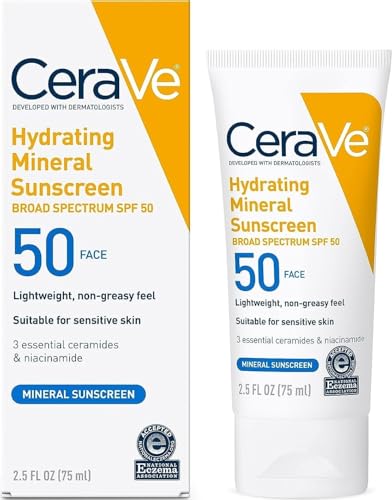
- [ BROAD SPECTRUM SUNSCREEN FOR FACE ] 100% Mineral-based, chemical free sunscreen, also known as a physical sunscreen, r…
- [ MINERAL SUNSCREEN APPLICATION ] Mineral based sunscreen for face can often leave a white cast. For best results, apply…
- [ HAWAII COMPLIANT SUNSCREEN ] Oxybenzone free, avobenzone free & benzene free, this sunscreen contains physical filters…
La Roche-Posay Anthelios Mineral Sunscreen
- Type: Mineral (zinc oxide and titanium dioxide)
- Best for: Sensitive skin
- Advantages: Mineral protection from a well-known dermatology-focused brand
- Drawbacks: Several Anthelios mineral versions exist, so confirm the exact SPF and formula
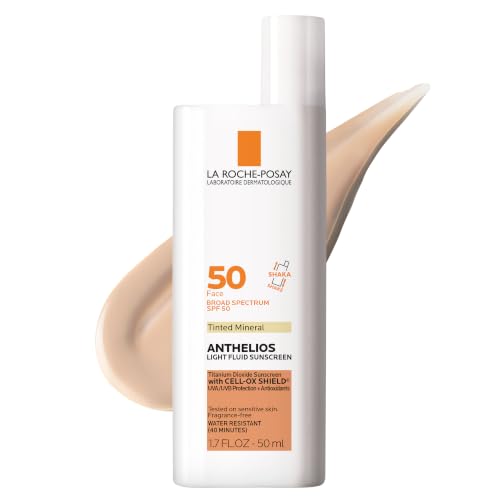
- Potent Mineral Formula for Natural Suncreen Protection: This lightweight 100% mineral tinted faces sunscreen with titani…
- Subtle & Blendable Tint for a Flawless, Glowy Look: The fast-absorbing, blendable texture leaves a tinted matte finish o…
- Unique Cell-Ox Shield Technology: Formulated with Cell-Ox Shield Technology, this 100% mineral sunscreen offers broad sp…
Colorescience Sunforgettable Total Protection Face Shield
- Type: Mineral
- Best for: Reapplying over makeup, tinted coverage
- Advantages: Tinted, and easy to use over makeup during the day. Read our Colorescience Sunforgettable review.
- Drawbacks: Premium price, and the Face Shield and brush formats are different products, so check the listing
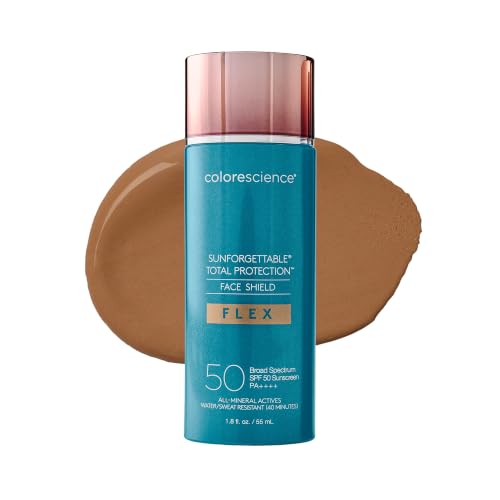
- Total environmental protection: Colorescience Face Shield Flex SPF 50 is powered by clinically proven EnviroScreen Techn…
- Tone-adapting tinted SPF: This tinted sunscreen features innovative iron oxide pigments that adjust to your skin’s natur…
- The foundation replacer: Our tinted mineral sunscreen is available in six adaptive shades that adjust to a broad range o…
EltaMD UV Clear SPF 46
- Type: Hybrid (zinc oxide plus a chemical filter)
- Best for: Sensitive, acne-prone or rosacea-prone skin
- Advantages: Lightweight, comfortable daily wear
- Drawbacks: Contains a chemical filter, so it isn’t suitable if you want strictly mineral-only
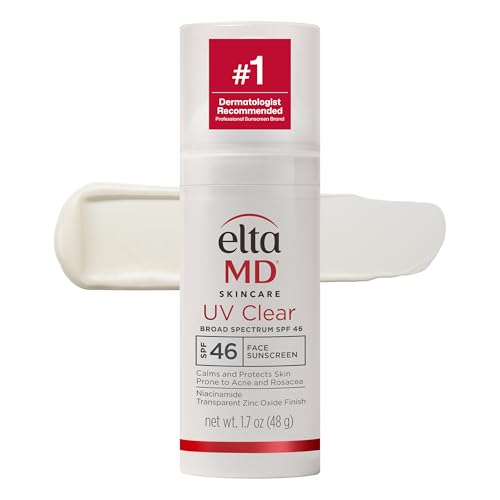
- CLEAR SUNSCREEN FOR FACE: This lightweight face sunscreen with transparent Zinc Oxide provides broad spectrum SPF 46 pro…
- FOR NORMAL, ACNE-PRONE, AND SENSITIVE SKIN TYPES: UV Clear uses an oil-free, non-comedogenic formula that’s designed for…
- SUITABLE FOR HYPERPIGMENTED SKIN: Contains Niacinamide which helps to visibly improve skin tone and reduce the appearanc…
Supergoop Unseen Sunscreen SPF 50
- Type: Chemical
- Best for: People who want an invisible finish under makeup
- Advantages: Clear, lightweight and smooth. See how it compares in our Supergoop Unseen vs EltaMD UV Clear article.
- Drawbacks: Not ideal if you want a mineral-only formula, and the SPF 40 and SPF 50 versions differ
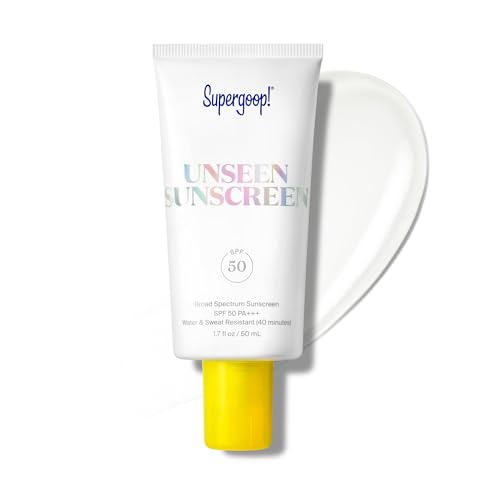
- 100% INVISIBLE SUNSCREEN – Supergoop Unseen Sunscreen SPF 50 is an iconic, weightless, scentless sunscreen that delivers…
- MADE FOR ALL SKIN TYPES – Oil free sunscreen for sensitive and acne-prone skin; non-acnegenic, non-comedogenic, non-irri…
- SKIN-SMOOTHING FORMULA – This face sunscreen is clinically tested to help improve skin clarity with a complex of chamomi…
How to Choose the Right Sunscreen for Your Skin
- Very sensitive skin: Consider fragrance-free mineral formulas.
- Mature and dry skin: Look for comfortable, moisturizing textures.
- Oily skin: Consider lightweight, fluid formulas.
- Dark spots: Consider broad-spectrum tinted formulas with iron oxides.
- Makeup users: Choose a formula that layers well under foundation.
- Outdoor activities: Prioritize water-resistant sunscreen.
Individual tolerance varies. A product that works beautifully for a friend may not work for you, so test new sunscreens carefully and give them a few days.
How to Apply Sunscreen Correctly
Even the best formula won’t help if it’s applied incorrectly. The Skin Cancer Foundation offers practical sunscreen guidance, and the CDC covers sun protection for travelers.
- Choose SPF 30 or higher with broad-spectrum protection.
- Apply generously. Most people use too little.
- Cover your face and neck, including ears, the back of the neck and the chest.
- Reapply about every two hours when outdoors.
- Reapply after swimming or sweating, following the product label.
- Apply sunscreen before makeup. Let it settle for a few minutes, then add foundation.
Frequently Asked Questions
Is mineral sunscreen better than chemical sunscreen for sensitive skin?
Often, yes. Mineral sunscreen is commonly recommended for sensitive skin because zinc oxide and titanium dioxide tend to be less irritating. However, inactive ingredients such as fragrance can still cause reactions, so patch test any new product.
Which sunscreen is better for wrinkles and aging skin?
Both can help, as long as they offer broad-spectrum SPF 30 or higher. The best choice is the one you’ll apply generously and wear daily. Mature skin often benefits from a comfortable, hydrating texture.
Does mineral sunscreen prevent premature aging?
Mineral sunscreen helps protect against UV damage that contributes to premature aging, as long as it’s broad-spectrum and applied correctly. There’s no evidence that it prevents more aging than a well-formulated chemical sunscreen.
Can chemical sunscreen cause skin irritation?
It can for some people, particularly those with sensitive skin or those who react to certain UV filters or fragrance. Many people use chemical sunscreens comfortably. If you notice stinging or redness, stop using the product and try a gentler option.
Is zinc oxide good for mature skin?
Yes, zinc oxide is a good option for mature skin because it offers broad-spectrum protection and is generally gentle. Look for creamy, moisturizing formulas if your skin feels dry, and tinted versions if you dislike a white cast.
Does mineral sunscreen leave a white cast?
It can, especially untinted formulas and thicker creams. Tinted mineral sunscreens with iron oxides often blend better, particularly on medium to deep skin tones. Rubbing the product in thoroughly also helps.
Is hybrid sunscreen better than mineral sunscreen?
Not necessarily. Hybrids often feel lighter and blend more easily, but they contain chemical filters. If you want a strictly mineral formula, hybrid isn’t the right choice. If texture is your priority, it may be a good fit.
Should women over 40 use mineral sunscreen?
They can, but they don’t have to. Women over 40 should prioritize broad-spectrum SPF 30 or higher and a formula they enjoy wearing. Mineral is a good choice for sensitivity, while chemical or hybrid may suit those wanting a lighter feel.
Which sunscreen is better for hyperpigmentation?
Look for a broad-spectrum sunscreen, ideally tinted with iron oxides, which help with visible light. Daily, consistent use matters most. A dermatologist can recommend a plan if you’re treating melasma or stubborn dark spots.
Can I use chemical sunscreen every day?
Yes, many people wear chemical sunscreen daily without problems. If your skin tolerates it and it’s broad-spectrum with SPF 30 or higher, it can be an excellent daily choice. Switch if you notice irritation.
Final Verdict
There’s no single winner in the mineral vs chemical sunscreen debate. Mineral sunscreen is often a sensible starting point for sensitive skin, thanks to its gentle reputation and simple ingredient lists. Chemical sunscreen can be an excellent everyday option if you prefer a lightweight, transparent texture that works well under makeup. Hybrids offer a middle path.
For aging skin, the most important factors are broad-spectrum UVA and UVB protection and consistent use. The best sunscreen is the one that fits your skin, feels pleasant enough to wear every morning, and gets applied generously.
Ready to find yours? Explore more sunscreen recommendations and guides on Petal Beauty Skincare, and start with our best sunscreens for sensitive skin.